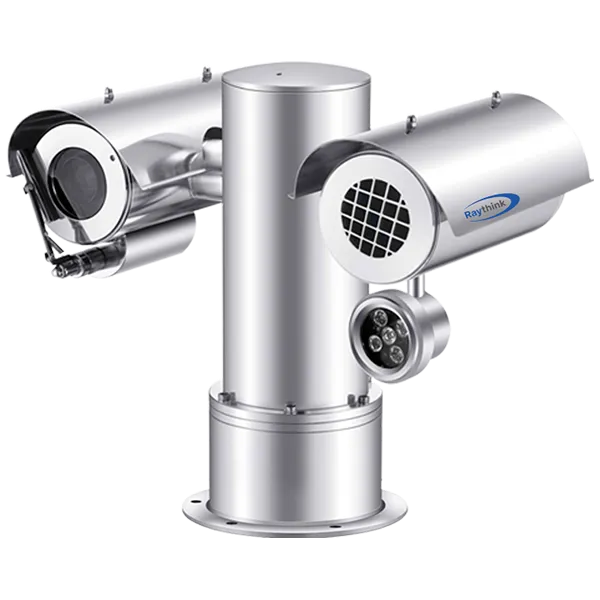
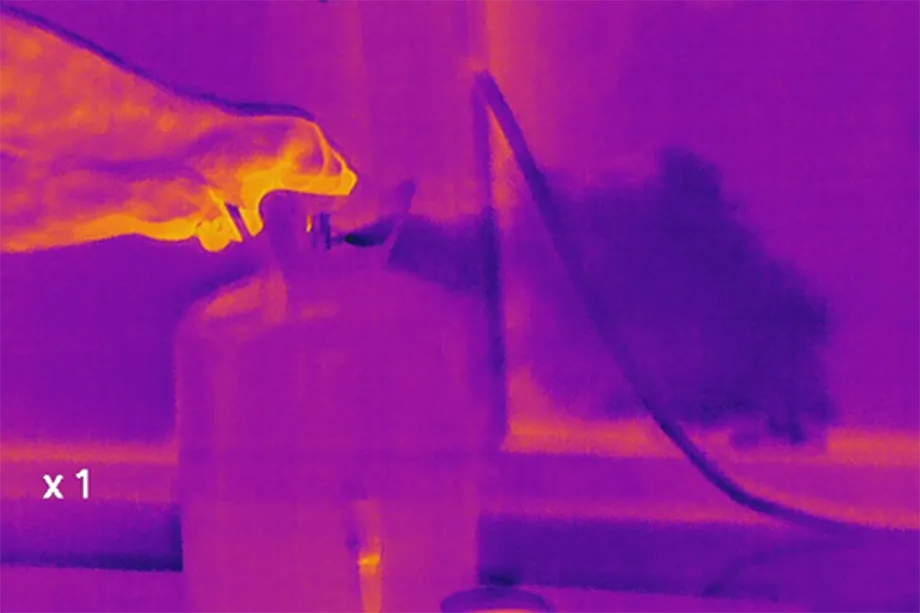
Since liquefied natural gas, liquefied petroleum gas, and liquefied ethylene are colorless, tasteless, and imperceptible to the naked eye, it will easily lead to major accidents such as fire and explosion in case the gas leakage cannot be found and handled in time. These colorless and tasteless gases make it difficult to detect where the leakage is. In addition, there is a risk of close contact between inspectors and toxic gases. Therefore, special devices are required to detect the location and scale of leakage. Earlier, mechanical probes were used to detect gas leakage, which could not prevent inspectors from harmful gases and carry out real-time, all-around detection.