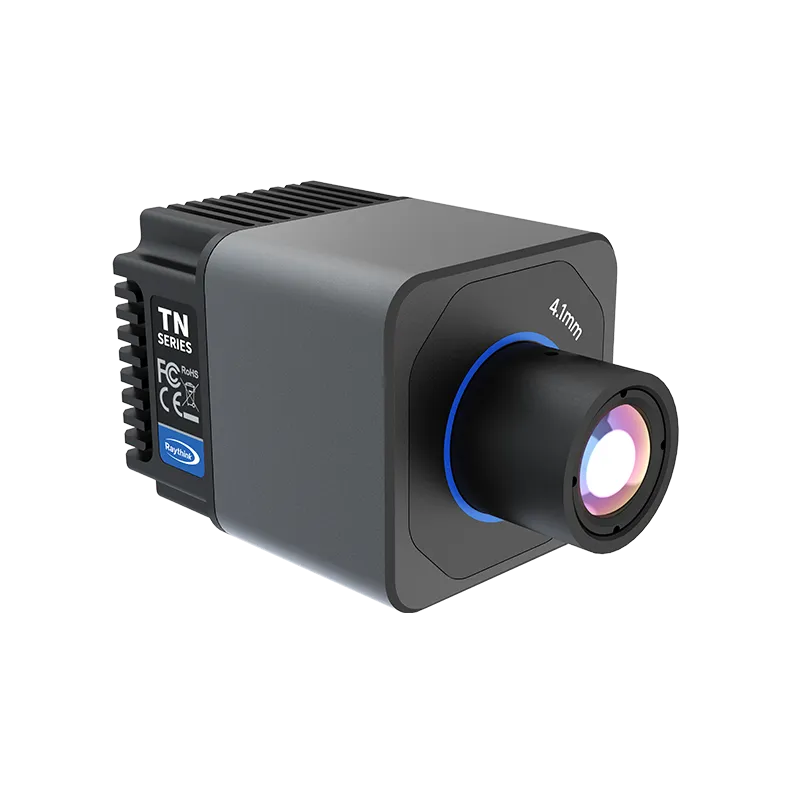
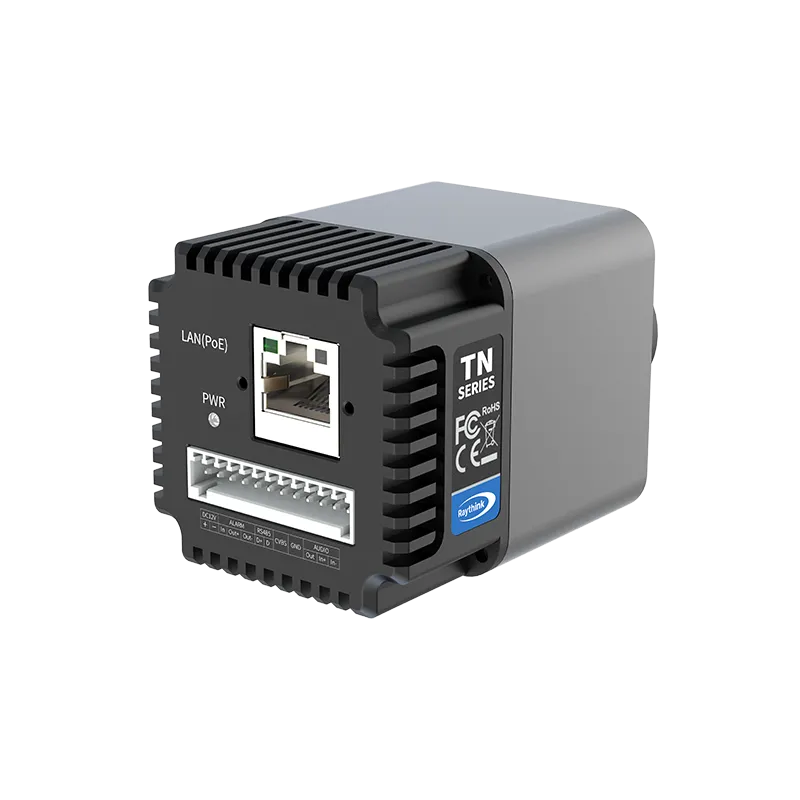
Due to the heating of the burning zone, the inner wall close to the rotary kiln head has the highest temperature in the rotary kiln. With the increasing time of rotary kiln operations, the inner lining will become thinner and even fall off due to the constant high temperature and friction of clinkers. Consequently, the pipe wall temperature changes drastically, and the temperature in the rotary kiln becomes unevenly distributed, hampering stable and reliable operations of rotary kilns.
An overly high temperature will cause over-calcination, while a low temperature will cause under-calcination. Neither will produce ideal calcination results.Traditional manual routine inspectioncan hardly discover exceptional areas, unable to impose effective safety controls for rotary kilns.
Advantages of Thermal Cameras
Professional temperature measurement tools help freely select monitored areas and automatically obtain the highest temperature point for regular inspection. Thermal image comparison helps discover the damage in the kiln lining and notifies staff or links automation devices for control.
The settings of temperature threshold, duration, and sampling interval are available toachieve data collection. Thermal cameras are used to measure the temperature field of the outer wall. Then, analysis is conducted for the linear relationship between the outer wall temperature and corrosion in the inner lining refractory, and the obtained relationship serves as the reference for making maintenance plans.
Thermal cameras featureflexible and convenient operations. Preliminary constructions, such as fixed platform installation and cable layout, are no longer needed, and the device maintenance cost is relatively low.
It provides a secondary development SDK tosupport users for secondary development, empowering them to form unique advantages.